
ImmPulse Weekly Video | Federal Budget Impact
Canada’s 2026–2028 Immigration Levels Plan marks a shift toward balance and sustainability, with moderated intake targets, expanded provincial control, and new transition pathways for workers and protected persons. Our latest analysis breaks down the key numbers, policy shifts, and includes a practical Q&A to help employers and applicants understand what these changes mean in real terms.
Canada’s Immigration Outlook: Review of 2025 and the 2026–2028 Immigration Levels Plan

Canada’s 2026–2028 Immigration Levels Plan marks a shift toward balance and sustainability, with moderated intake targets, expanded provincial control, and new transition pathways for workers and protected persons. Our latest analysis breaks down the key numbers, policy shifts, and includes a practical Q&A to help employers and applicants understand what these changes mean in real terms.
Global Mobility & Temporary Foreign Worker Compliance Framework — 2025 Annual Immigration Plan and Budget Update
Canada’s 2025 Federal Budget introduces a unified compliance and modernization framework across the Global Mobility Program (GMP) and the Temporary Foreign Worker Program (TFWP). The reforms expand digital audits, employer inspections, and worker protections, signaling a major shift toward stricter oversight and data-driven accountability in Canada’s labour mobility system.
Change, Not Cancellation. What’s Next for Canada’s Start-Up Visa Program
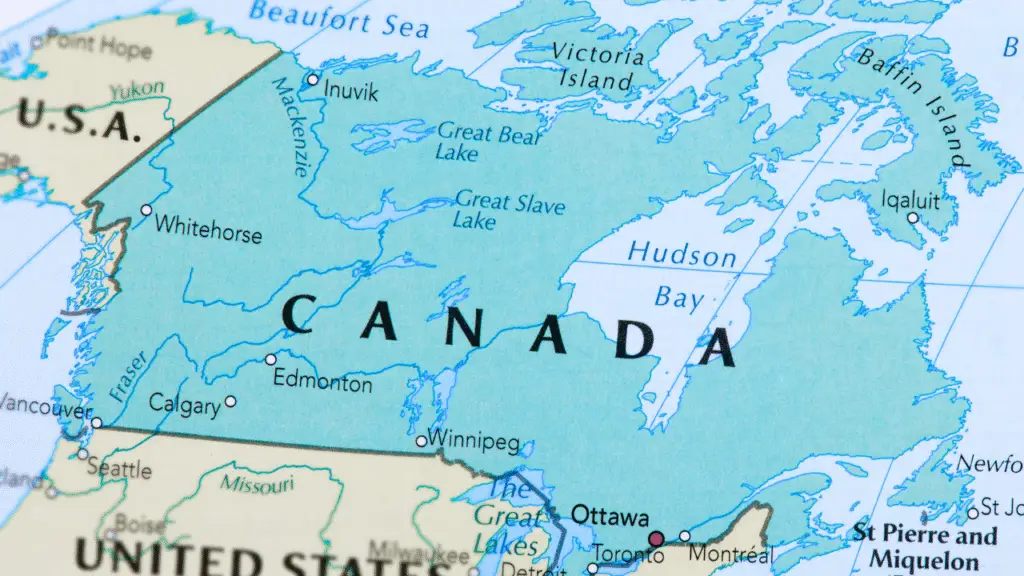
Despite recent speculation, Canada’s Start-Up Visa Program (SUV) is not being cancelled — it’s evolving. On October 24, 2025, IRCC clarified new reporting methods that make processing times appear longer but are meant to improve transparency and predictability. The program’s backlog and new intake caps have prompted reforms to better align with Canada’s innovation and economic goals. These updates aim to strengthen, not end, one of Canada’s most important pathways for global founders building the next generation of Canadian businesses.
Steps to Apply for Mandamus: How to Force IRCC to Act on Your Application

IRCC delays are increasing, leaving many applicants waiting months or even years for decisions. But there’s a legal solution. Mandamus is a Federal Court order that compels IRCC to act on stalled applications when processing times have been exceeded. Learn how this remedy works, what evidence you’ll need, and how new rulings make it easier to take action.
Near-Shoring After Trump’s H-1B Shock: A Strategic Opening for Canada

A new U.S. rule adding a US $100,000 annual fee to H-1B visas is driving companies to shift high-value work closer to the U.S., creating a major opening for Canada. With proximity, stable trade access, and strong talent, Canada could capture this growth, but tightening access to temporary foreign workers may limit its advantage. Strategic, targeted immigration pathways and more flexible policies are key to turning this near-shoring trend into lasting economic gains.
Trump’s H-1B Shock: Why Near-Shoring Is A Canadian Opportunity

Canada is open for business and ready to capture talent as near-shoring accelerates. Corporations can leverage programs like the Global Mobility Program, Temporary Foreign Worker Program, and targeted tech and green-energy streams to bring in key talent quickly, transfer knowledge, and stay competitive. With near-shoring gaining speed after Trump’s H-1B fee hike, companies that act now can turn disruption into opportunity.
Trump’s H-1B Shock: Why Near-Shoring Is Canada’s Immigration Wake-Up Call
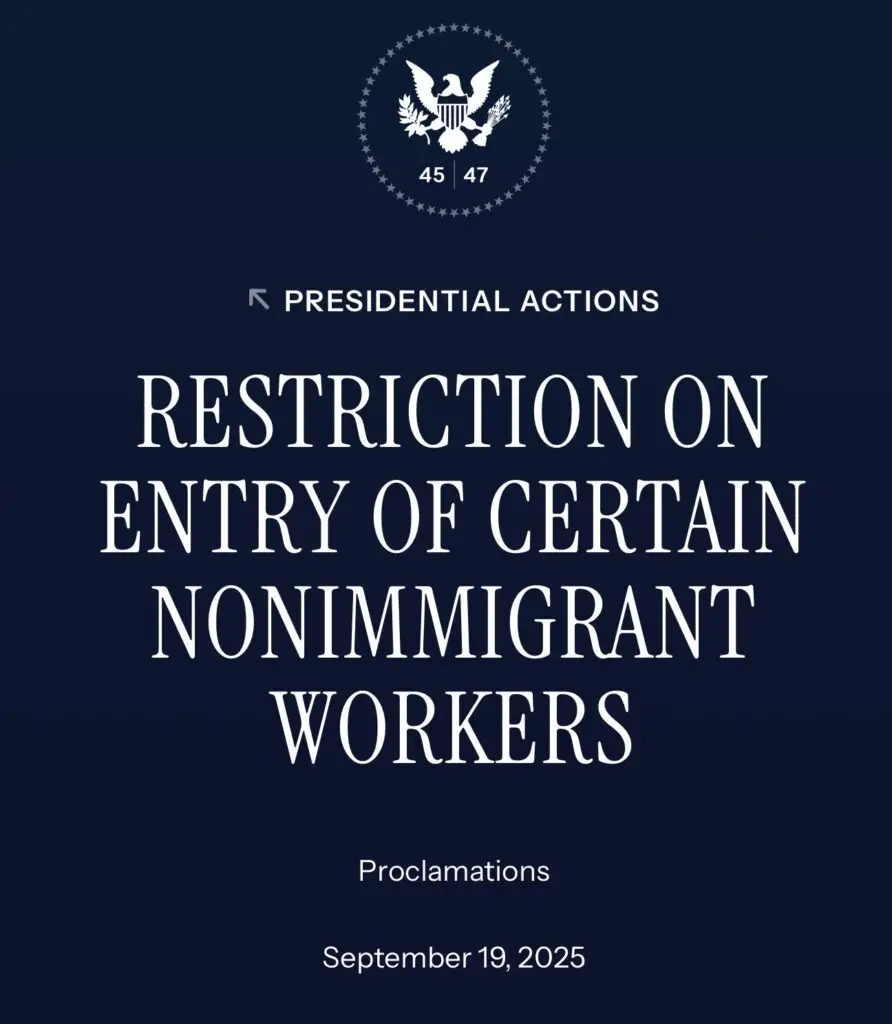
President Trump’s sudden $100,000 H-1B visa fee has shaken North American labour markets. Companies are urgently rethinking where they house critical operations. Near-shoring, once a slow-burn strategy, is now a boardroom priority. Canada, with its stability and proximity, could become the prime beneficiary, but only if its temporary foreign worker policies evolve quickly and strategically.
Ontario Issues 2,600+ Invitations for Healthcare and Child Care Workers

On September 2, 2025, Ontario issued 2,643 invitations under its Employer Job Offer streams, targeting healthcare professionals, early childhood educators, and in-demand workers such as home support staff. This draw highlights the province’s focus on filling critical labour shortages while offering new opportunities for candidates with valid Ontario job offers.
Major IRCC Medical Exam Changes – Effective August 21, 2025.

Starting August 21, 2025, IRCC is making big changes to medical exam requirements for immigration applicants. Express Entry candidates must now complete an upfront medical exam before applying, while in-Canada applicants benefit from an extended policy that may exempt them if they completed an exam in the last five years.